Yes, a proper gas installation for every home, no matter where you live, matters the most! It powers cooking, heating, and daily tasks like boiling water. If the work is done wrong, it creates serious danger. Gas leaks can harm families and damage homes.
So, what’s the solution?
You need safe and compliant work. A licensed gas installation service provider gives you that safety and peace of mind.
This blog post explains what gas installation is, when you need it, and why professional work matters.
What else? You will learn about risks, legal requirements, signs of problems, and what a good installation looks like. The aim is to help you make the best choice for your home.
What Gas Installation Involves
Gas installation includes new connections, line extensions, and appliance hookup. A licensed gas fitter plans the layout. They choose approved materials. They install pipework and fittings to meet safety rules. Then they test the system for pressure and leaks. Final paperwork proves compliance.
Common tasks include:
- Installing or extending gas lines
- Connecting cooktops, ovens, heaters, and hot water units
- Upgrading old pipework to current standards
- Pressure testing and leak checks
- Final paperwork for compliance and records
This work matters for safety and performance. Unchecked leaks lead to danger and damage.
When Homeowners Need Gas Installation
You need a gas installation if you are upgrading or changing your system. Renovations often trigger this need. New kitchens, heaters, and outdoor BBQ areas need a correct gas supply.
Other triggers include:
- New gas appliances
- Replacing old heaters or hot water units
- Adding a granny flat or extension
- Buying an older home and wanting a safety check
- Seeing yellow flames or smelling around gas fittings
Homes in Pennant Hills often include older builds and modern houses. Thus, the older pipework shows signs of wear and tear. Corrosion over time increases risk. So, it is better to go with a professional check to help you avoid trouble.
Risks of Poor Gas Work
Gas leaks create fire and explosion risk. Even small leaks matter. Carbon monoxide is invisible, toxic, and deadly. Poor ventilation or loose fittings raise hazard levels. Appliance performance suffers. Efficiency drops. As a result, you lose money and safety.
Professional installation stops these risks early. Proper testing finds leaks before they cause harm. Correct ventilation protects indoor air quality. Tight connections support longer service life.
Legal Requirements in New South Wales
NSW law demands licensed gas fitters. Only licensed professionals may install, alter, or repair gas systems. Compliance paperwork proves the job meets rules. Your insurance requires this paperwork. Without it, claims may fail.
Unlicensed work leads to fines. Future buyers may see unpaid fines. Your sales process might stall. On the other hand, compliance protects your family today and your investment tomorrow.
Why Local Professionals Matter
A local skilled gas installation service provider knows Pennant Hills homes. Brick or weatherboard, old or new, each home type presents different needs. Local teams see these issues often. They solve problems fast.
Licensed professionals also hold insurance. Training covers current standards and safe practices. They test the system carefully. They explain steps and answer your questions plainly.
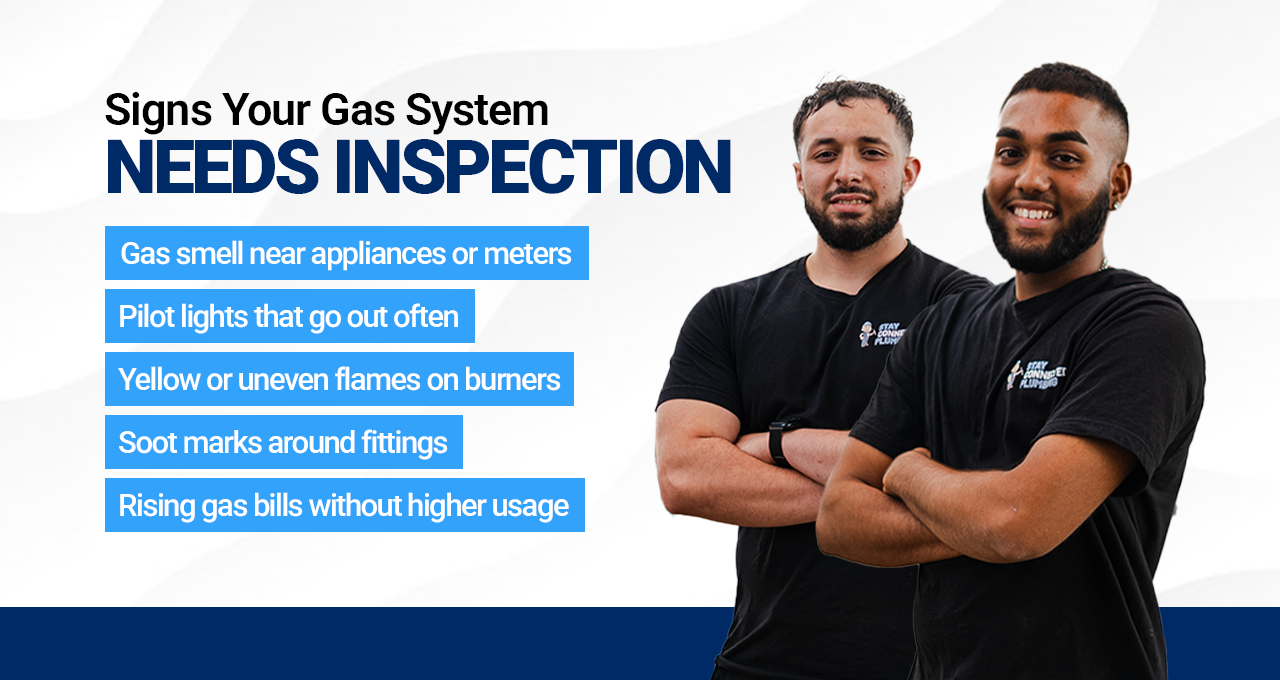
Signs Your Gas System Needs Inspection
Your system may show early warning signs. Watch for:
- Gas smell near appliances or meters
- Pilot lights that go out often
- Yellow or uneven flames on burners
- Soot marks around fittings
- Rising gas bills without higher usage
These signs often mean leaks, pressure loss, or worn components. Early inspection by a professional reduces risk, avoids bigger repairs, and keeps your home safe.
How Gas Appliance Installation Works
Good installation follows a clear path. Your licensed fitter checks the appliance rating first. They match the line size and pressure to the appliance’s needs. Ventilation and clearances matter for safety and performance.
Steps typically include:
- Turning off the gas supply
- Installing or adjusting pipework
- Connecting the new appliance
- Pressure testing and leak detection
- Turning on the system and checking performance
After work finishes, you get paperwork that proves the installation meets safety rules. You may need this for insurance or future property transactions.
Planning During Renovations
Plan early. Builders, plumbers, and electricians should coordinate. Gas line routes must avoid structural supports and electrical wiring. Appliance locations affect kitchen layouts.
Share appliance models and positions early. This lets the gas fitter plan pipe sizes and clearances before walls and cabinets go in. This planning saves time, reduces rework, and avoids extra costs.
Choosing the Right Provider in Pennant Hills
Experience and licensing matter most. You want an expert who explains work in clear language. You want written details so there are no surprises. Ask for compliance paperwork and confirmation of tests.
Stay Connected Plumbing supports Pennant Hills homeowners with expert gas installation and safety checks. Our team responds quickly, works safely, and follows current NSW rules. Every job ends with proper testing and documented compliance.
Our skilled professionals do more than install. They guide you through choices. They show you what is needed and why. They help you plan for future maintenance.
Conclusion
Gas installation is safety work, not DIY. It matters for your daily comfort and your family’s protection. A reputed gas installation service provider in Pennant Hills knows how to install, test, and certify systems to meet safety and legal standards. Local experience in Pennant Hills adds real value.
If you are planning a renovation, installing a new gas appliance, or want a safety inspection, speak with Stay Connected Plumbing.